Welcome back to Reading the Research! I trawl the Internet to find noteworthy research on autism and related subjects to share with you. Along the way I discuss the findings with bits from my own life, research, and observations.
Today’s article about processed food is horrifying to me on multiple levels. Just recently I wrote a piece on eating well to look and feel better. Autistic people often have fragile internal body processes. So what you put into your body as fuel makes a huge difference in how well you feel. If you eat poorly, it can cause depression, anxiety, difficulty focusing or sitting still, low or spiky energy levels, tiredness, malaise, etc. Or it can make those things much worse if you’re already prone to them.
I had an unpleasant object lesson in the importance of avoiding processed food about a week ago. I ate a friend’s homemade bready-cakey thing as a test. I’m honestly unsure of precisely what went into it, but I’m going to assume at least white flour and white sugar, because I developed a headache that lasted 24 hours, my depression worsened (and I started having boomerang memories), I had trouble focusing and kept missing things in my daily life, and I felt tired and vaguely ill. It was really horrible. The symptoms slowly went away as I went back to eating my usual diet of whole foods and vegetables, thankfully.
Defining
So what is processed food? Especially, our main offender in this article, what is ultraprocessed food?
Mostly, they’re ready-to-eat items, like fast food, desserts, most breakfast cereal, candy, TV dinners, and pastries. Pop/soda/Coke and juice also count. You could also define processed food as, “stuff that doesn’t look like the food it’s made from.” These foods have no nutritional content to speak of. They’re simply vehicles for calories, with little or no fiber, vitamins, or minerals. And they’re often loaded with sugar, salt, and saturated fat. No wonder obesity is such a problem. And no wonder sugar addiction plagues most of the US population.
As the article points out, processing is not necessarily an evil. And you don’t necessarily have to stop eating all processed foods to feel better. But having them be more then 2/3s of your diet is definitely bad. And, I will point out that while this article focuses on children, those children will grow up to be adults who will then choose foods based on what they like. While many of my friends have opted to eat healthier now that their bodies punish them for eating poorly, it’s a much harder transition than if they’d been eating well to begin with.
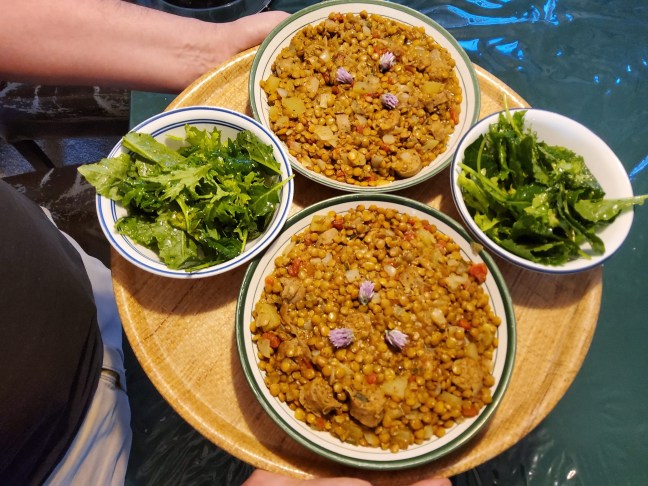
Generally speaking, it’s best to minimize eating processed foods and instead choose whole grains, whole fruits, and fresh or frozen vegetables. I’ve spent the last few months trying that diet, and I think I’ve never been healthier in my life. My skin has never been softer and nicer. My brain has never been so clear and easy to live in. And I’ve never been so well emotionally and mentally balanced.
It’s really nice. And exceptionally important because I’ve been having some rather difficult life circumstances that necessitated getting new jobs and handling some difficult changes in life.
(Pst! If you like seeing the latest autism-relevant research, visit my Twitter! There are links and comments on studies that were interesting, but didn’t get a whole Reading the Research article about them.)
 realisticautistic